
Content
- Class 01
- Initial instructions for using the Common Data Environment (CDE) adopted in the course
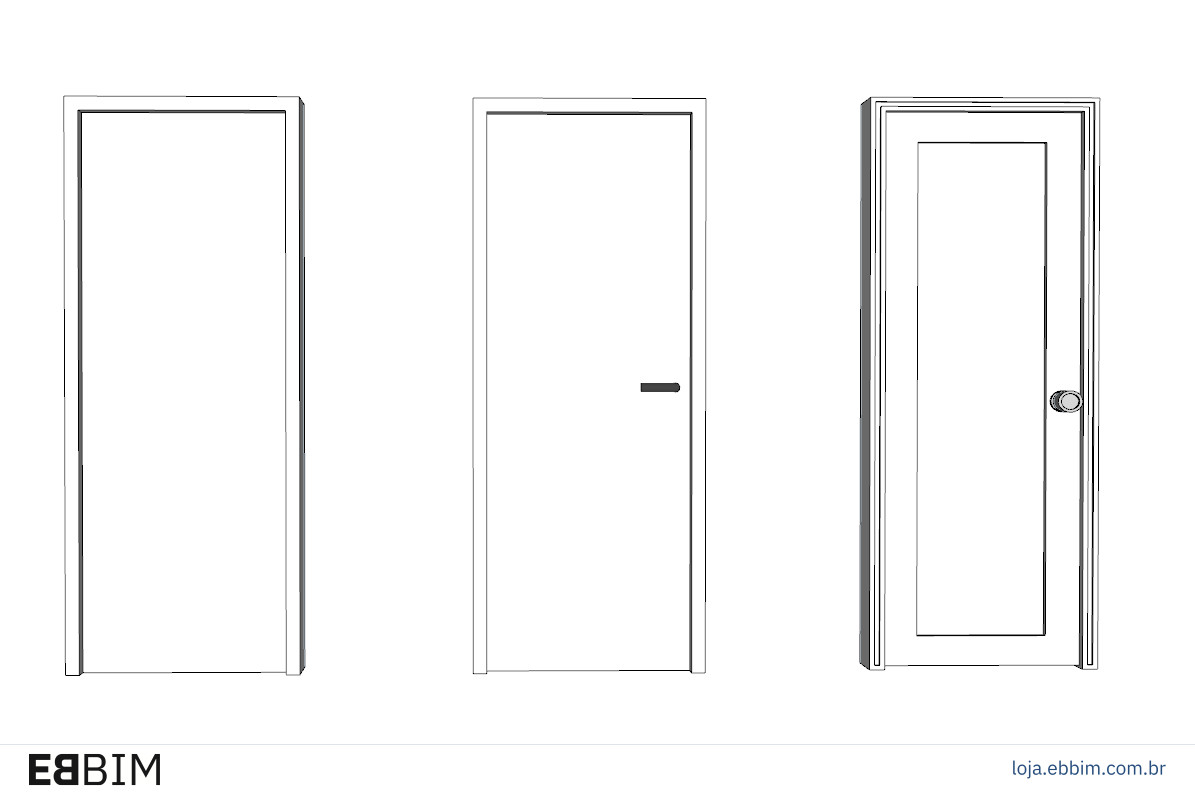
- How does a BIM project begin? Tests examining BIM object creation in different design programs, such as Revit, AutoCAD and ARCHICAD.
- Class 02
- Are plans, sections and elevations generated from a BIM model always automatic and 100% reliable? If not (and they are not), how can you avoid issuing or receiving technical drawings that differ from the models?
- Are quantity takeoffs from a BIM model always automatic and 100% reliable? If not (and they are not), how can you avoid issuing or receiving quantity lists that differ from the models?
- Class 03
- Concepts underlying IFC development
- IFC versions and their applications
- Associating authorship, technical responsibility, contractual information and property rights with an IFC model
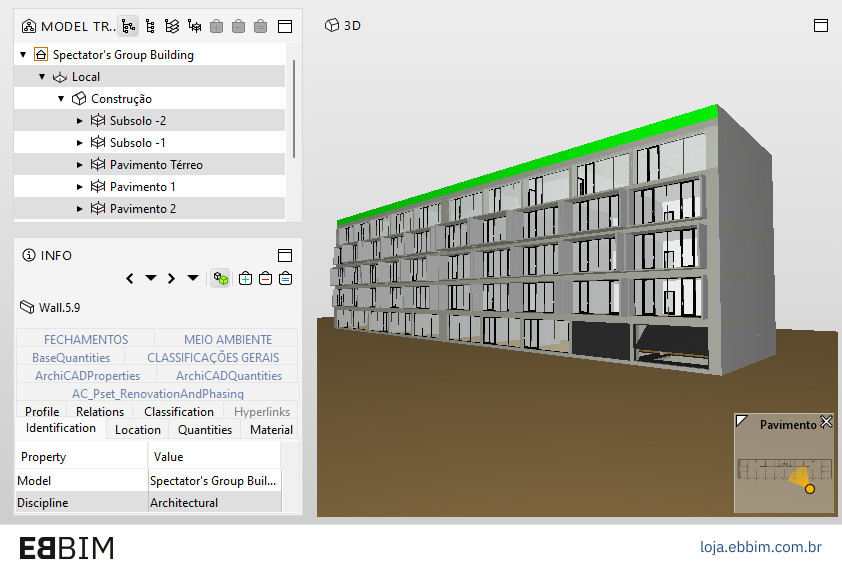
- How is an IFC model spatially organized for commissioning building and infrastructure design?
- Classifying IFC construction elements.
- The relationship between IFC classes and object geometry calculation criteria for cost estimating and payment for construction work
- Class 04
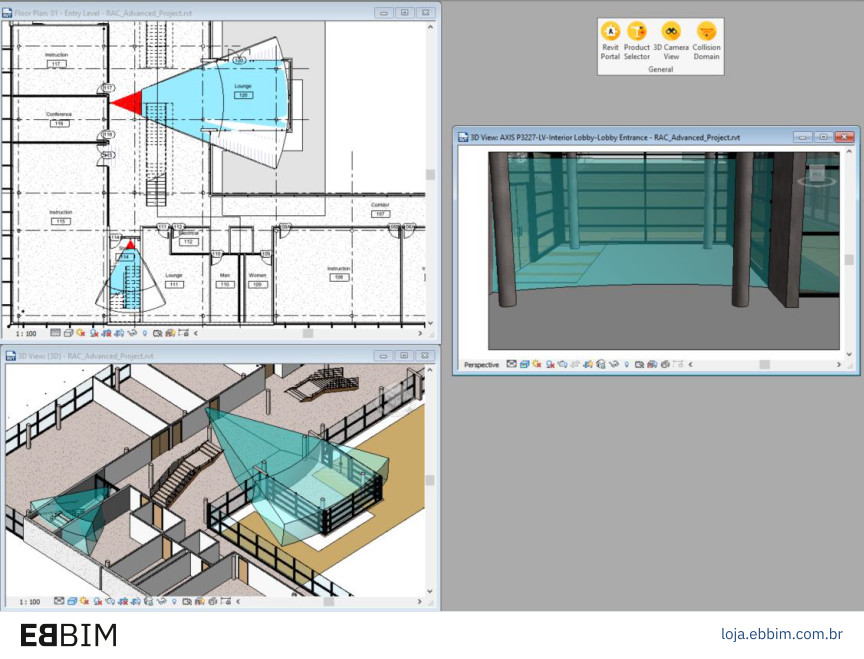
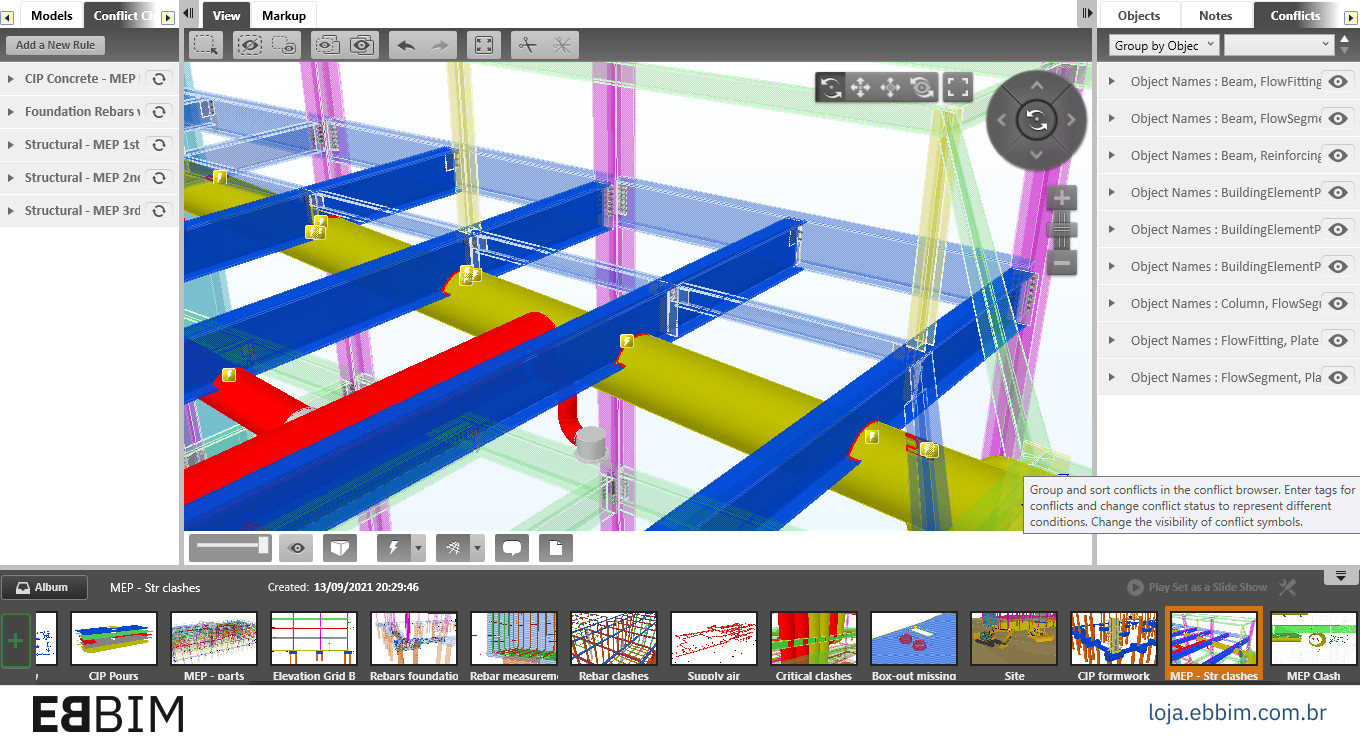
- How do you perform geometric clash tests (clash detection) between different BIM models and within a single BIM model?
- Why are clash detection tests much more effective when performed using IFC BIM models?
- Why are clash detection tests need to be performed regularly by clients and contractors?
- How can clients and contractors perform clash detection tests without increasing the contract cost?
- Class 05
- What is the BIM Collaboration Format (BCF) standard?
- Creating BCF design information requests from 3D model views
- Creating BCF design information notifications from 2D CAD drawings, Excel spreadsheets and Word or PDF documents
- How can designers receive these BCF notifications in their software?
- Integrating BCF notifications to manage communication through reports and dashboards
- Class 06
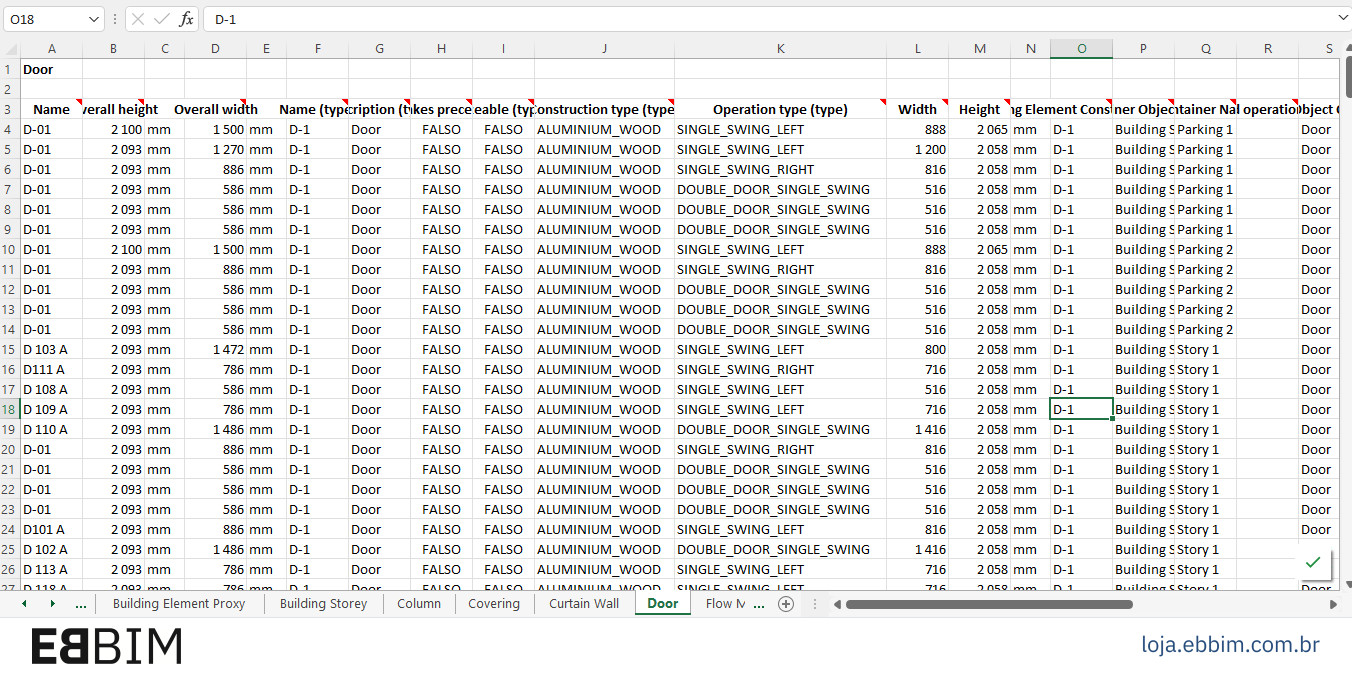
- Data extraction from BIM models
- Types of data extraction: model identification, element identification and quantity takeoffs
- Examples of data extraction methods
- BIM model quantity takeoffs and technical specifications versus preparation for BIM-based cost estimating: risks and opportunities
- Proposed process for extracting BIM model data
- Class 07
- Analyzing and validating technical drawings against BIM models already analyzed and approved. How can this be done without increasing the contract cost?
- Proposed basic structure for design procurement requiring BIM models, including the sequence of cycles and criteria for measuring and validating deliverables
- Final considerations
Course technical details
- 21 hours of live online classes
- Course materials are provided as BIM models in IFC and other formats, PowerPoint or PDF presentations and Excel tables, with extensive bibliographic references to further your studies.
- PLEASE NOTE: Copies of the ABNT standards cited in this course are not provided!
- Access all your classes, recorded live on video! You have three months from the start of the course to download your video classes.
- Our courses count as complementary activities in undergraduate architecture, engineering and design programs.
- At the end of the course, a completion certificate is issued to those who attended at least 75% of the live online classes.
About the instructor
- In education, Gaspar has spent 26 years researching BIM-related tools and processes and developing training under the EBBIM – Empresa Brasileira de BIM brand.
- In academia, Gaspar teaches BIM in postgraduate programs at Universidade Presbiteriana Mackenzie (Architecture and Civil Engineering), SENAI-SP/ISEP and FIA Business School.
- Work on the development and editing of BIM guides and manuals:
- Co-authorship of the teaching materials for the Democratizando BIM – Agentes Públicos course for the Brazilian Agency for Industrial Development (ABDI): 5 workbooks and instructional video scripts, in 2025;
- Participation in a working group and content review of 3 BIM manuals for the Urban Infrastructure Department of São Paulo City Hall (SIURB), in 2025;
- Co-writing and co-editing of the Good Practice Guide for BIM Procurement: Volume I – General Guidelines, for the National Union of Architecture and Consulting Engineering Companies (SINAENCO), in 2024;
- Since November 2022, Gaspar has coordinated ABNT Special Study Commission 134, responsible for creating, editing and publishing Brazilian BIM standards. Between 2018 and 2022, within CEE-134, Gaspar participated in the working group that developed parts of ABNT NBR 15965-4:2021. Construction Information Classification System:
- ABNT NBR 15965-4:2021. Construction Information Classification System. Part 4. Construction Resources;
- ABNT NBR 15965-5:202. Construction Information Classification System. Part 5. Construction Results
- ABNT NBR 15965-6: Construction Information Classification System. Part 6. Construction Units and Spaces.
- Since July 2022, Gaspar has held a PhD from the Graduate Program in Architecture and Urbanism at FAU-USP, with research into the use of BIM in social housing projects, supervised by Prof. Dr. Gil Garcia de Barros.
- In August 2019, Gaspar obtained a master's degree from the Graduate Program in Architecture, Technology and the City at the University of Campinas (Unicamp), supervised by Prof. Dr. Regina Ruschel.
- With ProBooks Editora, João Gaspar has authored several books, notably “Revit passo a passo – volume I” (co-authored), “ARCHICAD passo a passo”, volumes I and II (co-authored), “Vectorworks passo a passo” and “SketchUp Pro 2013 passo a passo”. With the same publisher, Gaspar edited “101 Conceitos em Arquitetura e Urbanismo na Era Digital”, “Arquitetura contemporânea e automação: prática e reflexão” and “Métricas Urbanas: abordagens paramétricas no planejamento de bairros e cidades sustentáveis”.
- As a researcher, his publications and presentations at major conferences include: Trimble Dimensions (Las Vegas, 2026), Autodesk University (Las Vegas, 2023 and Nashville, 2025), A ERA BIM (São Paulo, 2025, 2024 and 2023), SIGraDI 2024 (Barcelona, 2024), CIB W78 2018 (Chicago, USA), SIGraDI 2017 (Concepción, Chile), CIB W78 2015 (Eindhoven, Netherlands) and TIC 2015 (Recife).